The Evolution of Quantity Surveying: Manual to AI Intelligence
Concolabs Editorial
Concolabs Editor

The Evolution of Quantity Surveying in the AI Era
In today’s Architecture, Engineering, and Construction (AEC) industry, speed and precision are everything. Time‑to‑tender and pricing accuracy often determine whether a project is profitable or a financial risk. Yet across regions like the UK, UAE, Australia, and Asia, cost management teams still wrestle with outdated manual workflows—2D takeoff errors, missed variations, and multi‑week estimate cycles that drain resources and erode margins.
“The traditional quantity surveyor spent 70% of their time measuring lines on paper drawings and only 30% analyzing value. AI flips this ratio on its head.” — Ishini Saparamadu, CEO of Concolabs
1. The Hidden Cost of Manual Takeoffs
Quantity surveying has long been plagued by inefficiencies. A single missed element in a Bill of Quantities (BOQ) can wipe out a contractor’s margin. Even with desktop measurement software, surveyors often rely on point‑and‑click tracing tools that are prone to human error. When revised drawings arrive just 48 hours before tender submission, the pressure to deliver accurate estimates becomes nearly impossible to manage.
The result? Cost overruns, disputes, and lost opportunities—all because the process is still stuck in a manual paradigm.
2. Enter Quanto 2D & Instant BOQ Generation
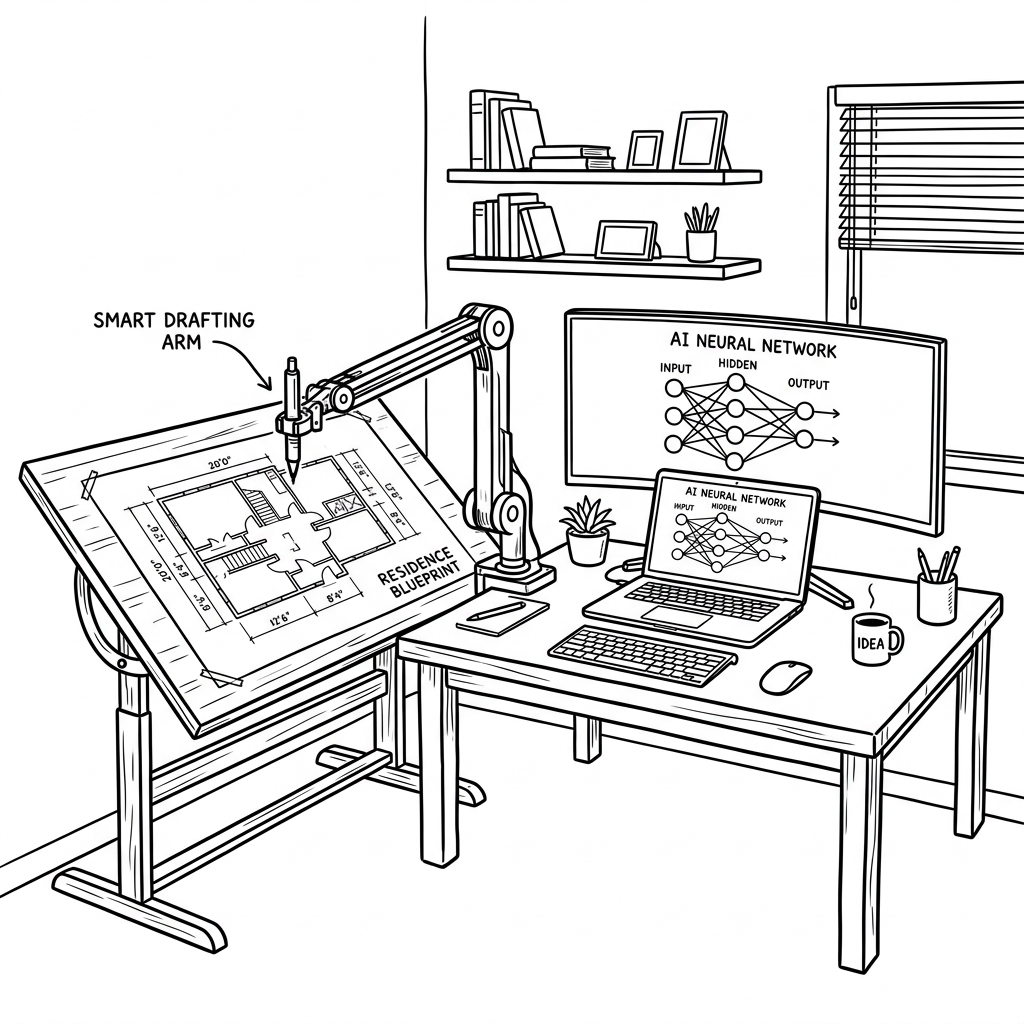
Recognizing this gap, Concolabs developed Quanto 2D, a platform designed to transform static blueprints into dynamic financial intelligence. Here’s how it works:
-
Automated Spatial Extraction
AI algorithms scan 2D CAD files and PDFs to detect walls, structural elements, and finishes—removing the need for repetitive manual tracing. -
Instant BOQ Mapping
Quantities are automatically structured into industry‑standard formats like NRM2 and SMM7, ready for supplier pricing without additional rework. -
Revision Delta Tracking
Drawing revisions can be compared side‑by‑side, instantly highlighting changes in quantities before site execution begins. This eliminates guesswork and ensures commercial teams stay ahead of design changes.
By automating these steps, Quanto 2D dramatically reduces the time and risk associated with traditional takeoffs.
3. What’s Next for Commercial Teams?
The adoption of AI tools like Quanto 2D is reshaping the role of the Quantity Surveyor. No longer confined to data entry, surveyors can now focus on higher‑value tasks:
- Value Engineering: Identifying cost‑saving opportunities without compromising quality.
- Risk Mitigation: Spotting potential financial pitfalls early in the project lifecycle.
- Client Relationships: Spending more time advising stakeholders and less time buried in spreadsheets.
This shift elevates the profession from a reactive role to a proactive, strategic partner in project delivery.
Conclusion: Turning Drawings into Decisions
The future of quantity surveying lies in automation and intelligence. By moving beyond manual takeoffs, commercial teams can unlock faster tender cycles, greater accuracy, and stronger profitability. Tools like Quanto 2D are not just about efficiency—they’re about redefining the surveyor’s role in the modern construction ecosystem.
Explore Quanto 2D today and transform static construction drawings into actionable, automated bills of quantities.
