From Drawing to Decision: Where AI Creates Value in Construction

Concolabs Editorial
Concolabs Editor
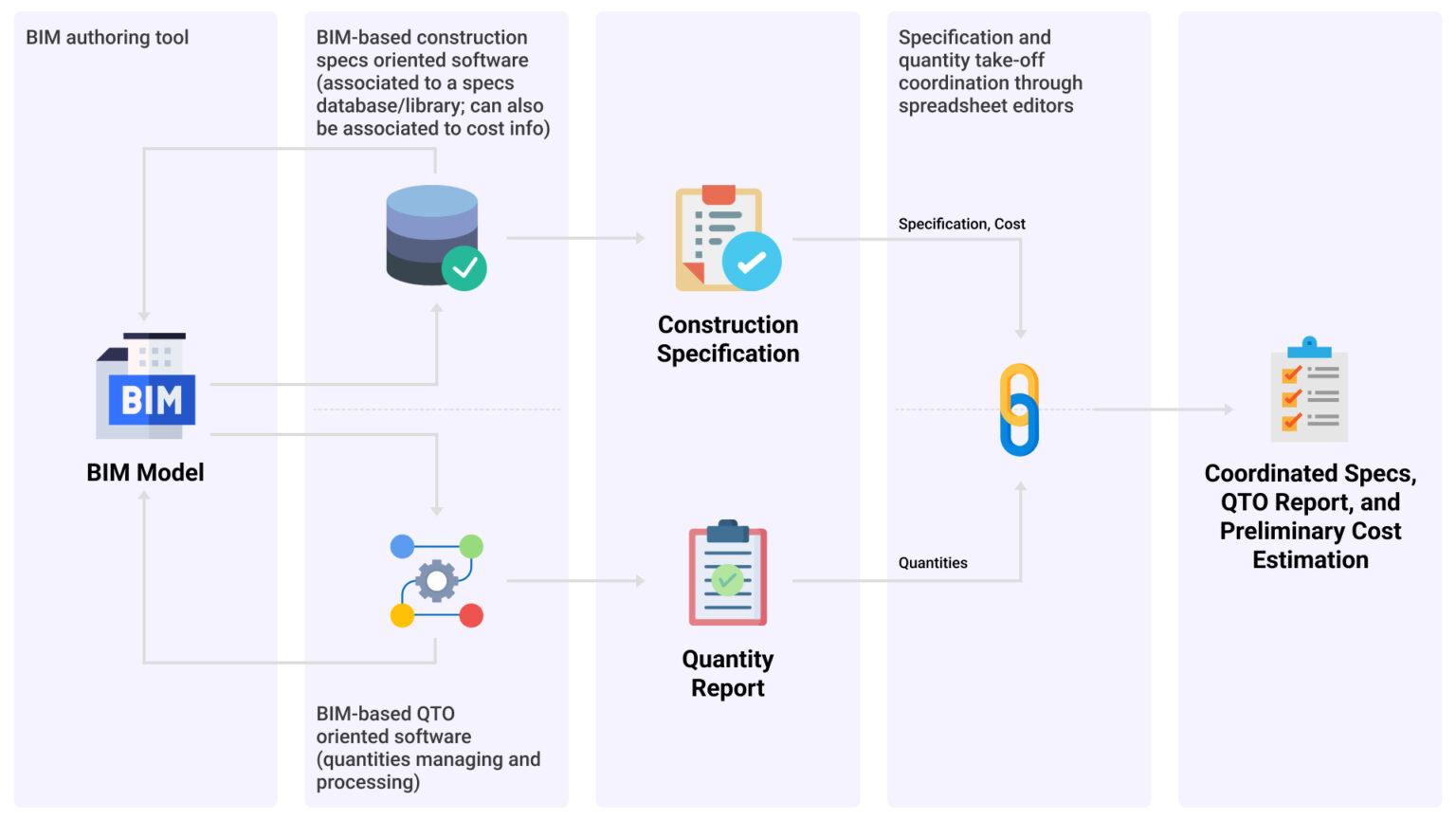
Construction teams already create enormous volumes of valuable information, including 2D drawings, Building Information Modeling (BIM) models, bills of quantities (BOQ), tender submissions, daily progress reports, payment records, site correspondence, and legal contracts. The primary operational bottleneck is rarely a lack of data, but rather the manual time and effort required for construction document automation across disparate systems, teams, and project stages.
Applied artificial intelligence (AI) creates measurable business value by processing existing project artifacts, extracting critical spatial and textual metrics, applying pre-defined estimation or engineering rules, and producing structured outputs ready for expert validation. Key practical applications of AI in construction management include:
Automated quantity takeoff (QTO): Extracting accurate material measurements directly from architectural drawings and BIM files.
Tender & Procurement Analysis: Organizing multi-supplier quotations into standardized comparison matrices automatically.
Field Report Generation: Transforming raw field notes and job-site observations into structured daily progress logs.
Contract Risk Auditing: Instantaneously searching and flagging contract clauses associated with specific project claims or site events.
To maximize ROI, construction enterprises should avoid broad, unstructured initiatives like "use AI everywhere." Instead, focus on targeted construction workflow optimization: select a single high-cost information handoff, measure its baseline cycle time and error rate, and establish clear validation protocols before deployment.
Human expertise remains fundamental to the construction decision support system. AI reorganizes how technical judgment is applied streamlining repetitive data processing so qualified professionals can focus on strategic, commercial, and risk management analysis. Establishing traceable data sources, transparent processing assumptions, version controls, and strict user permissions ensures every AI-assisted decision remains fully accountable.